Flood & Water Management
Flooding is the most common and most expensive climate hazard most households will ever face, and it's also the one most misunderstood, starting with the fact that a standard homeowners or renters policy generally doesn't cover it at all. Understanding flood-zone designations, insurance structure, and what actually reduces flood risk at the city and household level matters well before water is at the door.
These guides cover both ends of the problem: the infrastructure side (how cities predict, absorb, and divert floodwater) and the household side (what flood insurance actually costs, what it covers, and where the coverage gaps most commonly catch people off guard, sometimes only after a claim is already filed).
Flood & Water Management guides
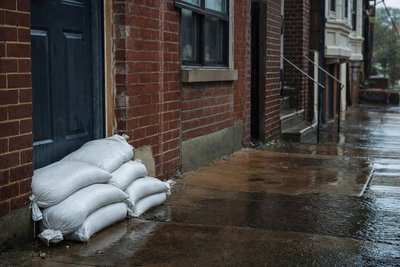
Renters Insurance & Flood Coverage: What's Actually Included
Renters insurance flood coverage isn't automatic. Here's what a standard policy covers on water damage, what it excludes, and how renters close the gap.
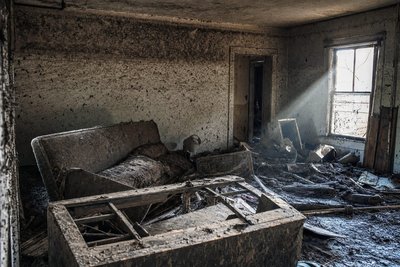
Flood Insurance Cost, Explained: How Much You'll Really Pay on Average
Flood insurance cost depends on flood zone, elevation and coverage limits, not the forecast. What actually sets the premium, and what renters get wrong.
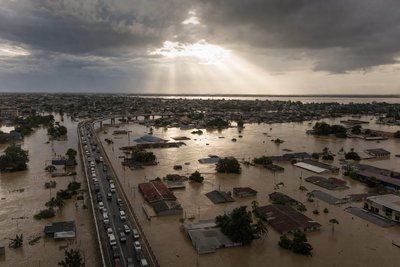
Effective Flood Management Techniques for Urban Areas
How cities predict, prevent and recover from urban flooding — early-warning systems, green infrastructure, and real examples like Venice's MOSE project.
Urban flooding often has less to do with a nearby river overflowing and more to do with how much of a city's surface is paved over. Impervious surfaces (roads, roofs, car parks) stop rainwater from soaking into the ground the way it would on undeveloped land, forcing it into a stormwater system that was frequently designed decades ago for a rainfall intensity that no longer matches reality. Nature-based drainage, from permeable paving to constructed wetlands and urban rain gardens, works by giving water somewhere to go that isn't straight into an overloaded pipe network.
On the household side, flood-zone maps and insurance rules can be genuinely confusing: a property just outside a mapped high-risk zone can still flood, since those maps model specific scenarios and don't capture every local drainage failure. Premiums are generally driven by elevation, proximity to water, and local flood history, and coverage gaps (like the difference between structural damage and contents, or what counts as a single flood event versus separate incidents) are exactly where households are most often caught off guard after the fact.
Frequently Asked Questions
Does homeowners insurance cover flood damage?
+
Generally, no. Standard homeowners and renters policies typically exclude flood damage, which is why flood coverage usually has to be purchased separately, either through a national flood insurance scheme where one exists or through a private flood policy.
If my property is outside a mapped flood zone, am I safe?
+
Not necessarily. Flood maps model specific rainfall and river scenarios and are periodically updated, but they cannot capture every local drainage failure, flash-flood event, or the effect of upstream development changing runoff patterns. A significant share of flood claims come from properties outside the highest-risk mapped zones.
What is nature-based drainage and does it actually work at scale?
+
Nature-based (or 'blue-green') drainage uses vegetation, permeable surfaces, and engineered wetlands to absorb and slow stormwater instead of routing all of it into pipes. Many cities now combine it with traditional grey infrastructure; it's generally treated as a complement to, not a full replacement for, conventional stormwater systems.
What is the difference between pluvial and fluvial flooding?
+
Fluvial flooding happens when a river or watercourse overflows its banks. Pluvial (surface-water) flooding happens when rainfall overwhelms drainage capacity directly, independent of any nearby river. It is a major and growing cause of urban flood damage and is often missed by flood-zone maps that focus on river and coastal flood paths.