Household Preparedness
Most emergency-preparedness advice is written as a single checklist and assumes a single scenario. In practice, a wildfire evacuation, a flood, and a multi-day power outage all call for a genuinely different bag, and a household with kids, pets, or someone with a medical condition has planning needs a generic list skips entirely.
These guides break preparedness down by actual situation: what belongs in a core 72-hour kit, what changes for a specific hazard, and how to organize responsibility across a household so the plan survives contact with a real emergency rather than staying a good intention in a closet.
Household Preparedness guides
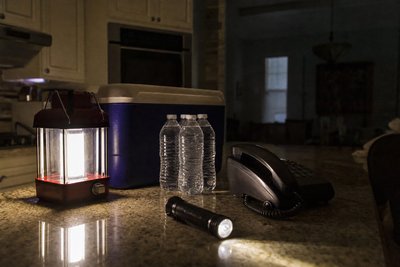
How to Prepare for a Power Outage: A Household Guide
What to stock, what to skip, and how to keep food and medication safe during an extended outage, from before it starts to the point you might need to leave.
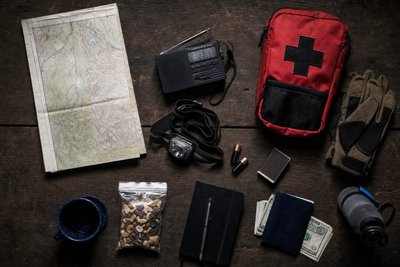
The Go Bag Guide: What Every Household Needs for a Climate Emergency
A go bag checklist built around how evacuations actually happen — a room-by-room breakdown of what belongs in a 72-hour emergency bag.
A useful starting point is separating what belongs in every emergency kit from what changes based on the specific hazard. Water, a basic first-aid kit, copies of key documents, a portable power source, and medications form a common core regardless of scenario. From there, a wildfire evacuation kit prioritizes speed and lightweight portability since notice can be short, while a flood or extended power-outage kit can reasonably include bulkier supplies since the situation often develops with more warning and may mean sheltering rather than evacuating.
The plan matters as much as the bag. A kit that sits untouched in a closet, with nobody in the household clear on who grabs it, where the pet carrier is, or what the meeting point is if people are separated, tends to fail exactly when it's needed. Preparedness that accounts for real household composition, including young children who can't carry their own supplies, a family member with a medical device that needs power, or a pet that needs its own carrier and food, holds up far better under actual emergency conditions than a generic list assembled for an idealized single adult.
Running through the plan once, out loud, with everyone in the household, not just packing the bag and forgetting about it, is what actually turns a kit into a working plan. It surfaces the gaps a checklist alone won't: who actually knows where the bag is kept, whether the car has enough fuel, and what the backup meeting point is if the first one isn't reachable.
Frequently Asked Questions
What is the minimum a 72-hour emergency kit should contain?
+
A core kit generally covers water (roughly enough for three days per person), non-perishable food, a basic first-aid kit, any regular medications, copies of important documents, a portable phone charger or power bank, a flashlight, and cash in small denominations. Hazard-specific additions build on that base.
Does a go-bag need to be different for wildfire versus flood evacuation?
+
The core contents overlap significantly, but the emphasis differs: a wildfire go-bag prioritizes being lightweight and immediately grab-and-go since notice can be very short, while flood or storm preparedness often allows more lead time and may involve sheltering in place rather than a fast evacuation, so kits can reasonably be bulkier.
How often should an emergency kit be checked and refreshed?
+
Most guidance recommends checking a kit at least twice a year. Water and food have shelf lives, medications expire, and documents or contact details can go out of date. Tying the check to a recurring date, like a clock change, makes it easier to remember.
What do households with pets or medical needs need to plan for differently?
+
Pets need their own carrier, food, water, and any medication, plus a plan for shelters or accommodation that will actually accept animals. Anyone dependent on a medical device or refrigerated medication needs a specific plan for power loss: a backup power source, a cooling method, or a clear evacuation trigger tied to remaining power or medication supply.