Climate adaptation explained clearly, for people who have to act on it
EU-Circle traces its name back to a pan-European research programme on critical-infrastructure resilience, though this site is not that organisation — it later took over the domain and name independently. What we've kept is the underlying subject, translated into guidance ordinary households and local planners can actually use.
AI-generated image
What we do differently
Evidence over headlines
Every article is grounded in established climate science and engineering literature, not press-cycle alarm. Where the evidence is uncertain, we say so.
Action over theory
Each guide ends with something you can actually do this week: a checklist, a cost breakdown, a decision framework, not just a description of the problem.
Independence
We don't accept placement from insurers, contractors or product manufacturers. Recommendations are ours, not sponsors'.
From an EU research consortium to a public resource
The original EU-CIRCLE research programme brought together universities, meteorological agencies and infrastructure operators across Europe to study how climate hazards affect roads, power grids and water systems. That research produced real, citable findings, but it was written for policymakers and engineers, not homeowners.
This site exists to close that gap: taking the same categories of risk (flooding, heat, wildfire, grid failure) and explaining what they mean at household and community scale.
Research-literate
We read the primary literature and cite it, rather than paraphrasing other blogs.
Household-scale
Every explainer is translated down to decisions a single household or building owner can make.
Continuously updated
Guidance is revisited as building codes, insurance markets and climate data change.
What EU-Circle covers
Six hazard areas, each with its own guides and its own hub page for a deeper look at the underlying mechanism.
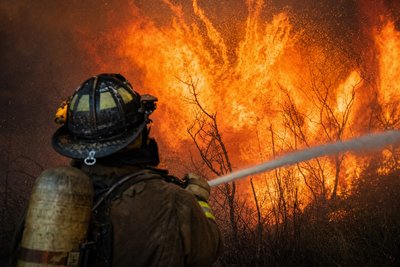
Wildfire
Defensible space, home-hardening materials, and how fire behaviour is changing at the wildland-urban interface.
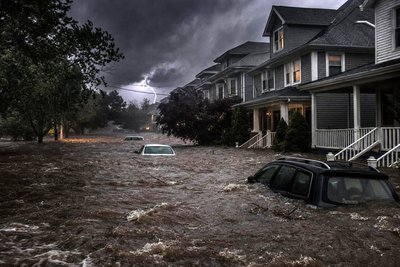
Flood & water
Urban flood management, nature-based drainage, and the real math behind flood insurance premiums.
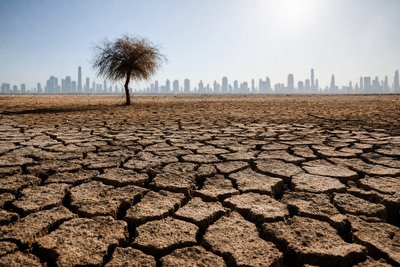
Extreme heat
Why cities run hotter than the land around them, and what's actually being tested to cool them down.
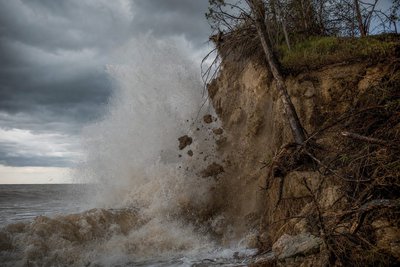
Coastal resilience
Erosion, sea-level rise, and living-shoreline alternatives to hard sea walls.
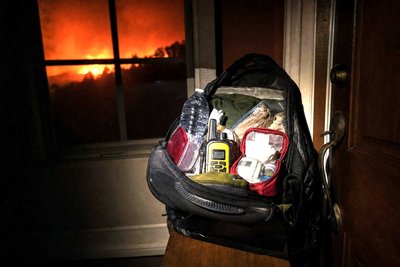
Household preparedness
Go-bags, emergency kits and step-by-step plans for the household, not the disaster professional.
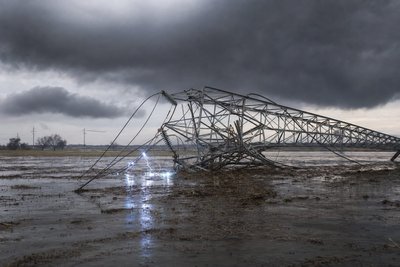
Policy & infrastructure
How climate adaptation actually gets funded and built, from research programmes to municipal grid hardening.
Have a correction or a topic request?
We'd genuinely like to hear it. Accuracy matters more to us than pageviews.