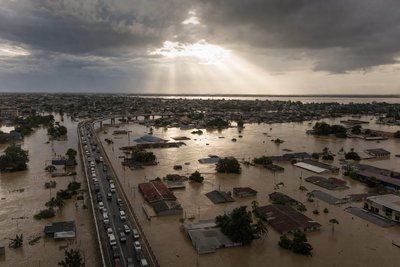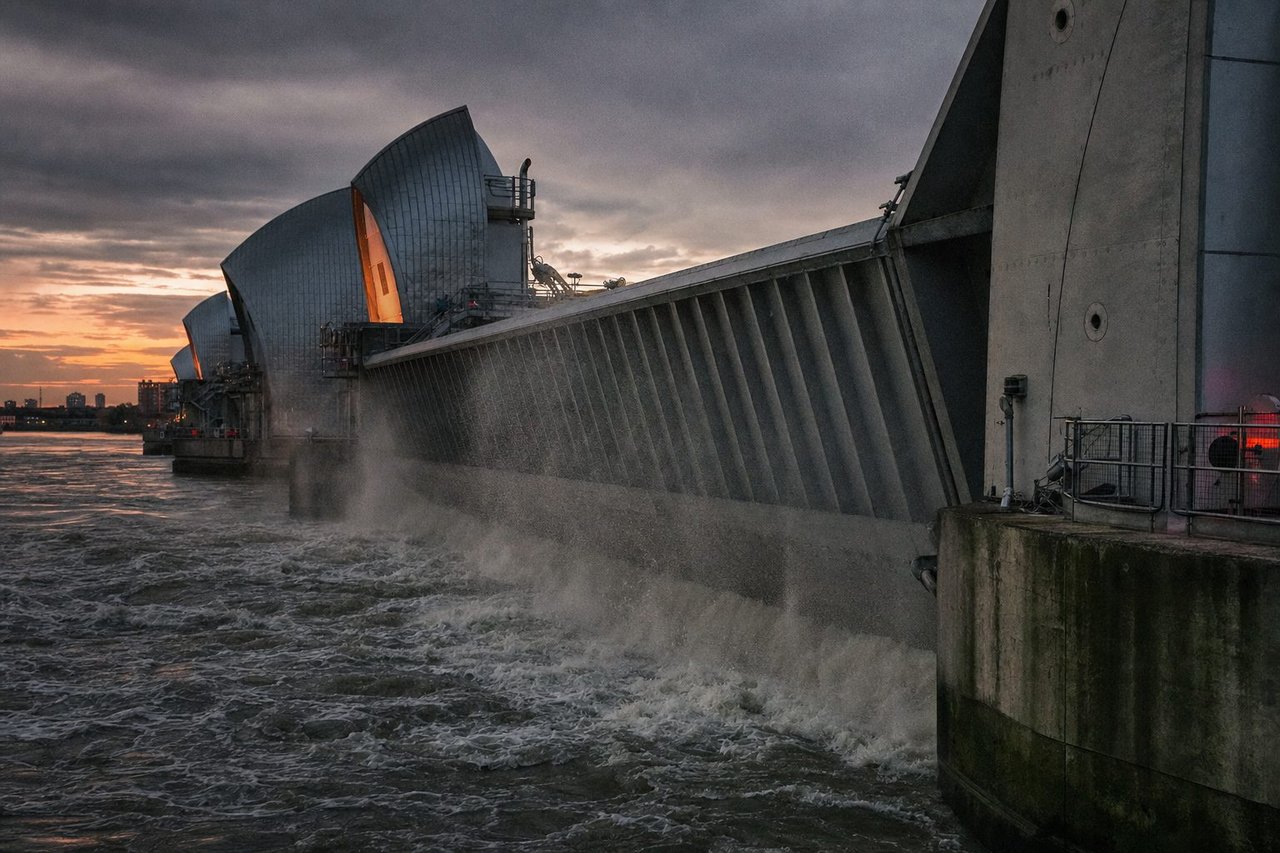
Climate change is an ever-pressing concern, impacting infrastructure worldwide. From severe flooding and wildfires to relentless heatwaves, urban areas must adapt to survive and thrive. Innovative technologies are paving the way for cities to become more resilient against these climate threats. This article explores the latest advancements, real-world applications, and the policies driving these innovations.
Smart Infrastructure for Real-Time Monitoring and Response
Smart infrastructure is revolutionizing how cities monitor and respond to climate events. By integrating sensors and IoT devices, urban planners can collect real-time data on environmental conditions, helping them make informed decisions quickly. For instance, the city of Los Angeles uses a network of sensors to monitor air quality, temperature, and humidity, allowing for rapid response to heatwaves. Similarly, flood-prone areas can benefit from smart water management systems. These systems use sensors to monitor water levels and flow rates in real-time, automatically adjusting infrastructure to prevent flooding. The deployment of such technologies is backed by software like IBM’s Intelligent Operations Center, which consolidates data from various sources to provide a comprehensive view of city operations. Additionally, the European Union’s Copernicus Programme employs satellite technology to provide critical data for disaster management and climate monitoring, assisting cities in better preparing for and responding to climate-related events.
Singapore’s Smart Nation Initiative
Singapore’s Smart Nation Initiative is a prime example of how smart infrastructure can enhance resilience. This comprehensive program integrates IoT, AI, and data analytics to manage urban challenges, including climate resilience. By utilizing real-time data, the city-state can optimize its water management systems, reducing the risk of floods during heavy rainfall. The initiative also includes the development of smart buildings equipped with sensors to monitor and control energy consumption, ensuring efficient use of resources and reducing the urban heat island effect.
Legislation and Policy Support
Supportive legislation is crucial for the successful implementation of smart infrastructure. In the US, the Bipartisan Infrastructure Law, signed in 2021, directs federal funding toward climate-resilient and smart-infrastructure upgrades, including grid hardening and flood-mitigation projects. The European Union’s Horizon 2020 program also allocates significant funds towards research and innovation in smart infrastructure, promoting sustainable urban development. These policies not only drive technological advancements but also ensure that cities have the necessary support to implement and maintain these systems effectively.
Innovative Construction Materials and Techniques
Building resilient infrastructure requires innovative construction materials and techniques. Traditional materials often fail under extreme climate conditions, leading to costly repairs and replacements. Advanced materials, such as self-healing concrete and permeable pavements, offer greater durability and adaptability. Self-healing concrete, developed by researchers at Delft University of Technology, contains bacteria that produce limestone when cracks appear, automatically repairing damage and extending the material’s lifespan. Permeable pavements, used in cities like Chicago, allow water to pass through, reducing surface runoff and mitigating flood risks.
Green Roofs and Walls
Green roofs and walls are gaining popularity as sustainable building solutions. These installations not only enhance aesthetic appeal but also provide significant environmental benefits. By absorbing rainwater, green roofs and walls reduce runoff and lower the risk of urban flooding. They also help insulate buildings, reducing energy consumption and mitigating the urban heat island effect. Cities like New York and London have adopted green roof policies, offering incentives to developers who incorporate these features into their designs.
Copenhagen’s Climate Resilient Neighborhoods
Copenhagen is at the forefront of integrating innovative construction techniques to enhance resilience. The city’s Climate Resilient Neighborhoods project includes the use of permeable pavements, green roofs, and rain gardens to manage stormwater effectively. This comprehensive approach not only reduces flood risks but also enhances the overall livability of urban areas. By transforming public spaces into multifunctional areas that can absorb and store rainwater, Copenhagen demonstrates how cities can adapt to the challenges posed by climate change.
Community Engagement and Education
Building climate resilience is not solely the responsibility of governments and urban planners. Community engagement and education play a vital role in fostering a culture of preparedness and sustainability. Public awareness campaigns can inform residents about the importance of resilient infrastructure and how they can contribute. For example, San Francisco’s Resilient SF initiative involves community members in planning and decision-making processes, ensuring that resilience strategies reflect local needs and priorities. Educational programs in schools can also instill a sense of environmental stewardship in younger generations, preparing them to tackle future climate challenges.
Interactive Platforms and Apps
Technology can facilitate community engagement through interactive platforms and apps. The MyCoast app, used in several US states, allows residents to report coastal flooding and erosion, providing valuable data to authorities while raising public awareness. Similarly, platforms like CitySwipe in Santa Monica enable citizens to provide feedback on urban development projects, ensuring that community voices are heard in the planning process.
Grid-Hardening Infrastructure Resilience Technology
Power grids are often the infrastructure system most exposed to climate stress, since a single downed line or overheated transformer can cascade into outages well beyond the original point of failure. Grid-hardening infrastructure resilience technology generally falls into three categories: physically strengthening exposed equipment, undergrounding vulnerable sections of line, and decentralizing generation so a single failure point doesn’t take down an entire region.
Utilities in wildfire-prone regions have increasingly moved to weather-rated transformers and covered conductor lines that are less likely to spark a fire when contacted by vegetation, alongside automated systems that can de-energize a specific line segment during extreme fire-weather conditions rather than an entire grid section. Undergrounding distribution lines removes much of the wind and wildfire exposure a line carries above ground, though it comes at a materially higher installation cost, which is why utilities tend to prioritize it for the highest-risk corridors first rather than rolling it out uniformly.
Microgrids, smaller, semi-independent sections of the grid that can disconnect from the main network and keep operating on local generation and storage, are one of the more consequential recent developments in this space. A hospital, a water-treatment facility, or an entire neighborhood equipped with a microgrid and battery storage can maintain power through a regional outage that would otherwise leave it dark for days, which is particularly relevant for facilities where a power loss has safety implications, not just inconvenience.
Evaluating Infrastructure Resilience Technology Investments
Cities and utilities that invest in resilience technology don’t always have a clear way to tell whether that investment is paying off until the next major climate event tests it. A few practical measures help track progress in the meantime:
- Outage frequency and duration during comparable weather events is the most direct signal. A grid or water system that experiences shorter, less frequent outages during storms of similar severity over successive years is a reasonably strong indicator that hardening investments are working.
- Sensor and monitoring coverage (what share of a system’s critical infrastructure actually reports real-time condition data) determines how early a developing problem can be caught, since a resilience strategy built on smart monitoring is only as good as its actual coverage.
- Recovery time after an event, separate from whether the event caused an outage at all, reflects how well backup systems, redundant capacity, and emergency response coordination are actually functioning together.
- Maintenance backlog trends matter because even the most advanced resilience technology degrades without upkeep; a shrinking backlog of deferred maintenance is often a better predictor of future performance than the presence of new technology alone.
Digital Twins and Scenario Modelling
One of the more recent additions to the infrastructure resilience technology toolkit is the digital twin: a continuously updated virtual model of a piece of physical infrastructure, a neighborhood, or in some ambitious deployments an entire city, built from sensor data, engineering specifications, and historical performance records. Rather than waiting for a real storm or heatwave to reveal how a system will actually behave under stress, planners can run a simulated flood, heatwave, or grid-failure scenario against the digital twin and see where the model predicts the system will fail first.
Singapore’s Virtual Singapore project and similar city-scale digital-twin efforts elsewhere have been used to model how proposed infrastructure changes, such as a new drainage channel, a different building layout, or an expanded green space, would actually perform under a range of simulated climate scenarios before a single shovel goes into the ground. This front-loads a substantial amount of the trial-and-error that infrastructure planning would otherwise have to absorb through real-world experience, which is a meaningfully more expensive and slower way to learn the same lessons.
Digital twins are not a substitute for the physical monitoring and hardening work described above; a model is only as good as the real-world sensor data feeding it, and a twin built on outdated engineering assumptions can produce confidently wrong predictions. Most cities treat digital-twin modelling as a planning and prioritization tool that helps decide where to spend limited resilience budgets first, rather than as infrastructure resilience technology that stands on its own.
Funding and Financial Support for Resilient Infrastructure
Securing adequate funding is crucial for implementing effective resilience strategies. Governments and organizations offer various grants and financial support to assist in these efforts. Here are some key funding sources:
- Federal Emergency Management Agency (FEMA): Provides grants for flood mitigation projects in the US, including the Hazard Mitigation Grant Program and the Pre-Disaster Mitigation Program.
- European Union Solidarity Fund (EUSF): Assists EU member states affected by major natural disasters, providing financial aid for emergency response and recovery efforts.
- World Bank: Offers financial and technical support for flood risk management projects in developing countries through initiatives like the Global Facility for Disaster Reduction and Recovery (GFDRR).
- Private Sector: Engaging private companies in public-private partnerships can unlock additional funding and resources for resilience projects.
Rotterdam’s Resilience Strategy
Rotterdam’s Resilience Strategy highlights the importance of community involvement. The city regularly holds workshops and public consultations to engage residents in resilience planning. By involving the community, Rotterdam ensures that its strategies are comprehensive and inclusive, addressing the diverse needs of its population. This approach not only enhances resilience but also fosters a sense of ownership and responsibility among residents.
The integration of advanced technologies, innovative construction techniques, and community engagement is crucial for enhancing infrastructure resilience to climate change.
Frequently Asked Questions
What is smart infrastructure in the context of climate resilience?
+
Smart infrastructure uses sensors and IoT devices to collect real-time environmental data, including air quality, temperature, and water levels, so cities can respond to climate events quickly. Los Angeles uses this approach for heatwave response; flood-prone areas use it for automated water management.
What is self-healing concrete?
+
A material developed at Delft University of Technology that contains bacteria producing limestone when cracks form, automatically repairing minor damage and extending the material's usable lifespan without manual intervention.
How do green roofs help with climate resilience?
+
Green roofs absorb rainwater (reducing runoff and flood risk), insulate buildings (cutting energy use), and lower the urban heat island effect. Cities including New York and London offer incentives for developers who install them.
What is Singapore's Smart Nation Initiative?
+
A comprehensive program integrating IoT, AI and data analytics to manage urban challenges including climate resilience: optimizing water management to reduce flood risk during heavy rainfall and monitoring energy use in smart buildings.
What is permeable pavement and why does it matter?
+
Permeable pavement allows water to pass through it into the ground rather than running off into storm drains, reducing surface runoff and flood risk. Chicago is one of several cities that has adopted it at scale.
How does policy support resilient-infrastructure technology?
+
Legislation like the US Bipartisan Infrastructure Law and the EU's Horizon 2020 program direct funding toward smart-infrastructure research and deployment. Without that funding, many of these technologies would stay pilot projects rather than citywide systems.
Why does community engagement matter for resilient infrastructure?
+
Because resilience strategies designed without local input often miss local needs. San Francisco's Resilient SF initiative and Rotterdam's public consultations both involve residents directly in planning, which shapes which infrastructure gets prioritized and where.
Are these technologies only relevant to wealthy cities?
+
No. Several of the examples above (rainwater harvesting incentives, community reporting apps, permeable pavement) are low-cost relative to major engineering works, which is part of why they've spread across cities with very different budgets.