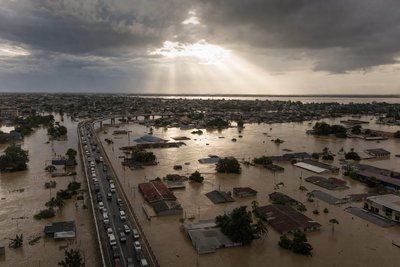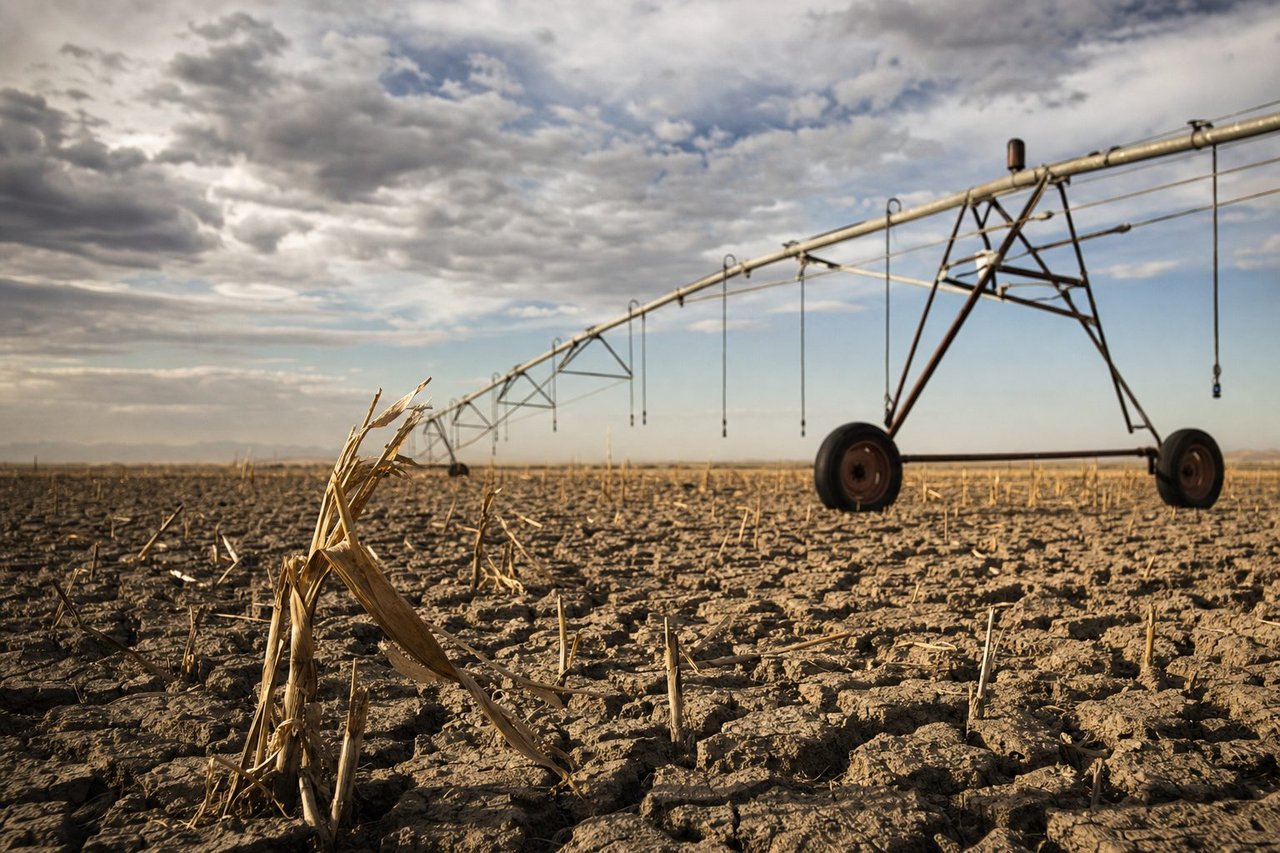
In today’s world, where climate change is reshaping our environment, the need for climate-resilient agriculture is more critical than ever. Farmers and agricultural stakeholders must adopt innovative strategies to ensure food security in the face of extreme weather conditions such as floods, wildfires, and heatwaves.
Understanding Climate-Resilient Agriculture
Climate-resilient agriculture focuses on enhancing the capacity of agricultural systems to manage climate risks, minimizing the negative impacts on food production and livelihoods. The Food and Agriculture Organization (FAO) defines it as a set of approaches that sustainably increase productivity and resilience while reducing greenhouse gas emissions. This concept is being embraced by various countries, with the European Union leading the way through initiatives like the Common Agricultural Policy (CAP), which supports farmers in adopting sustainable practices.
One of the key components of climate-resilient agriculture is the use of drought-resistant crop varieties. For instance, the International Maize and Wheat Improvement Center (CIMMYT) has developed drought-tolerant maize varieties that are being widely adopted in Africa. These crops not only withstand dry conditions but also maintain high yields, ensuring food security for millions of people.
Adopting Innovative Technologies
Technological advancements are playing a pivotal role in promoting climate-resilient agriculture. Precision farming, which utilizes data-driven techniques to optimize field-level management regarding crop farming, is becoming increasingly popular. Tools like drones, soil sensors, and satellite imagery help farmers monitor crop health, soil moisture, and weather patterns, allowing them to make informed decisions.
The use of mobile applications is also gaining traction. For example, Plantix, a German-based app, assists farmers in diagnosing plant diseases and provides recommendations for treatment. This not only helps in reducing crop losses but also promotes sustainable farming practices.
Implementing Sustainable Water Management
Water scarcity is a significant challenge exacerbated by climate change. Implementing efficient water management practices is crucial for climate-resilient agriculture. Drip irrigation systems, which deliver water directly to the plant roots, are highly effective in conserving water and enhancing crop yields. Countries like Israel have successfully implemented these systems, leading to increased agricultural productivity despite limited water resources.
Rainwater harvesting is also becoming a popular practice among farmers. By collecting and storing rainwater, farmers can ensure a reliable water supply during dry periods. In India, the government promotes rainwater harvesting through various schemes, providing financial assistance to farmers for constructing storage facilities.
Policy Support and Community Engagement
Government policies and community engagement are essential for the widespread adoption of climate-resilient practices. Policies that incentivize sustainable farming practices, such as subsidies for organic fertilizers and grants for renewable energy installations, encourage farmers to adopt eco-friendly methods. The United States Department of Agriculture (USDA) offers various programs to support farmers in implementing conservation practices, contributing to a more resilient agricultural sector.
Community-based initiatives also play a crucial role. Farmers’ cooperatives and associations provide a platform for sharing knowledge and resources, fostering collaboration and innovation. For example, the African Climate Change Resilience Alliance (ACCRA) works with local communities to develop and implement strategies that enhance resilience to climate change. By involving local stakeholders, these initiatives ensure that the adopted practices are culturally appropriate and widely accepted.
Promoting Agroforestry
Agroforestry, the practice of integrating trees and shrubs into agricultural landscapes, offers numerous benefits for climate-resilient agriculture. Trees provide shade, reduce soil erosion, and enhance biodiversity, contributing to a more stable and productive ecosystem. In Kenya, the World Agroforestry Centre (ICRAF) has been promoting agroforestry practices that improve soil fertility and increase farmers’ resilience to climate change.
Agroforestry also helps with carbon sequestration, mitigating the effects of climate change. Trees absorb carbon dioxide from the atmosphere, reducing greenhouse gas concentrations. This practice aligns with global efforts to combat climate change and promote sustainable development.
Diversifying Crops and Seed Sources
Climate-resilient agriculture also depends on genetic diversity, not just on any single drought-tolerant variety becoming the default everywhere. A field planted with one high-performing cultivar can look resilient right up until a new pest, disease, or weather pattern it wasn’t bred for shows up, at which point the entire harvest is exposed at once. Diversifying which crops and which varieties within a crop a farm or a region relies on spreads that risk, so a bad season for one variety doesn’t automatically become a bad season for the whole system.
Seed banks play a quiet but significant role here. International gene banks under the CGIAR research network, along with facilities like the Svalbard Global Seed Vault, preserve seed samples from thousands of crop varieties, including older and indigenous lines that modern commercial breeding programs have largely stopped growing at scale. Those older varieties often carry traits (deeper root systems, tolerance for poor soil, resistance to a specific regional pest) that turn out to be exactly what a breeding program needs once a new climate stress emerges. Losing that genetic pool would narrow the options available for developing the next generation of resilient crops.
Some farming communities are also returning to traditional intercropping arrangements, growing two or more compatible crops in the same field, such as maize alongside beans or squash, for similar reasons. A mixed planting is rarely the single highest-yielding option for either crop individually, but it tends to buffer the field against a single point of failure, whether that’s drought stress, a pest outbreak, or a market-price swing in one commodity.
How to Tell Whether a Farm Is Actually Becoming More Resilient
Climate-resilient agriculture practices are easy to list and harder to verify in practice, since “resilience” only really shows up during a bad year, not a good one. A few practical signals help distinguish genuine progress from a farm that has simply had a run of favorable weather:
- Yield stability across variable seasons matters more than peak yield in a good year. A farm that produces a moderate, dependable harvest through both a wet year and a dry one is generally better positioned than one that produces an exceptional harvest in ideal conditions and a poor one otherwise.
- Water-use efficiency trends (how much water it takes to produce a given amount of crop) tend to improve steadily where drip irrigation, soil-moisture monitoring, and drought-tolerant varieties are genuinely being adopted rather than just piloted.
- Soil organic matter is a slower-moving but telling indicator. Practices like crop rotation, reduced tillage, and agroforestry generally build organic matter over several seasons, which in turn improves the soil’s own capacity to hold water during dry spells.
- Diversity of income streams, whether that’s multiple crop varieties, integrated livestock, or agroforestry products alongside the main harvest, reduces how exposed a farm’s income is to any single crop failing in a single season.
None of these indicators move quickly, which is part of why climate-resilient agriculture is usually described as a multi-year transition rather than a single change a farm makes and finishes.
The Role of Insurance and Risk Transfer
Even a well-managed climate-resilient farm can’t fully eliminate risk, which is where agricultural insurance and other risk-transfer tools come in as a complement to, not a replacement for, resilience practices on the ground. Traditional indemnity-based crop insurance pays out based on a farmer’s actual measured losses, but it typically requires time-consuming claims assessment after a bad season, which can leave a farm short on cash exactly when it needs to plant the next one.
Index-based insurance has emerged as an alternative in many regions, particularly where verifying individual farm losses would be slow or impractical. Instead of assessing each farm’s specific damage, payouts trigger automatically once a measured index, such as rainfall falling below a set threshold at a regional weather station or a satellite-derived vegetation index dropping below a defined level, crosses a pre-agreed line. This structure allows for much faster payouts, since there’s no individual loss assessment required, though it does introduce “basis risk”: the possibility that a specific farm suffers real losses without the regional index triggering a payout, or the reverse.
Development organizations and national governments in a number of drought-exposed regions have piloted or scaled index-based schemes specifically for smallholder farmers, often bundling them with access to credit or improved seed, on the reasoning that a farmer who knows a bad season won’t wipe out their finances is more willing to invest in resilience practices in the first place, rather than sticking with lower-risk, lower-yield approaches purely out of financial caution.
Embracing Sustainable Agriculture Practices
In the quest for robust food security, embracing sustainable agriculture practices is essential. Sustainable agriculture focuses on meeting current food needs without compromising the ability of future generations to meet their own. This involves practices that enhance environmental health, economic profitability, and social equity. One such practice is crop rotation, which helps in maintaining soil health and reducing pest and disease outbreaks. By alternating the types of crops grown in a particular area, farmers can naturally replenish soil nutrients and break cycles of pests and diseases.
Key sustainable agriculture practices include:
- Crop rotation: Alternating the types of crops grown in an area to maintain soil health and disrupt pest cycles.
- Integrated pest management (IPM): Combining biological, cultural, physical, and chemical tools to manage pests in an environmentally and economically sustainable way.
- Organic farming: Avoiding synthetic pesticides and fertilizers, and using natural processes and materials to enhance soil fertility and control pests.
- Agroforestry: Integrating trees and shrubs into agricultural landscapes to provide shade, reduce soil erosion, and enhance biodiversity.
These practices improve agricultural productivity and resilience and contribute to the sustainability of food systems, ensuring that communities can thrive even in the face of climate change.
Frequently Asked Questions
What is climate-resilient agriculture?
+
It's a set of farming approaches that sustainably increase productivity and resilience to climate risks while reducing greenhouse gas emissions, the definition used by the UN Food and Agriculture Organization (FAO). It covers everything from drought-resistant crop varieties to water management and policy support.
What are drought-resistant crops and where are they used?
+
Crop varieties bred to maintain yield under dry conditions. The International Maize and Wheat Improvement Center (CIMMYT) has developed drought-tolerant maize varieties now widely adopted across Africa, helping stabilize food supply during dry seasons.
How does precision farming help with climate resilience?
+
Precision farming uses drones, soil sensors and satellite imagery to give farmers real-time data on crop health, soil moisture and weather patterns. That lets them make targeted decisions instead of guessing, which reduces both water waste and crop loss.
What is drip irrigation and why does it matter for water scarcity?
+
Drip irrigation delivers water directly to plant roots instead of spraying it broadly, dramatically cutting water waste. Israel has built much of its agricultural productivity on this approach despite having very limited water resources.
What is agroforestry?
+
The practice of integrating trees and shrubs into farmland. It reduces soil erosion, provides shade, improves biodiversity, and sequesters carbon. Kenya's World Agroforestry Centre (ICRAF) has promoted it specifically to improve smallholder farmers' resilience to climate change.
What government support exists for climate-resilient farming?
+
Examples include the EU's Common Agricultural Policy (CAP), which supports sustainable-practice adoption, and the US Department of Agriculture's conservation programs, which fund practices like organic fertilizer use and renewable energy installations on farms.
What is rainwater harvesting and who uses it?
+
Collecting and storing rainwater for use during dry periods. India promotes it through government schemes that provide financial assistance for storage-facility construction, helping farmers maintain a water supply independent of rainfall timing.
What are the core sustainable agriculture practices?
+
Crop rotation (maintaining soil health and breaking pest cycles), integrated pest management, organic farming, and agroforestry, all aimed at meeting current food needs without compromising the land's ability to keep producing for future generations.