
Climate resilience: a household guide to the hazards reshaping our homes and cities
EU-Circle is a climate resilience guide that explains the science and the practical response, from wildfire defensible space to flood insurance math, for households, planners and anyone trying to keep up with a changing climate.
AI-generated image
This week's hazard signal
Snapshot taken 26 Aug, 08:43 UTC via MeteoAlarm — check there for current warnings.
Pick a hazard for your household, or start with what's happening near you
Every topic pairs the underlying science with a practical, non-alarmist response: climate hazards explained simply, and what to do about it.
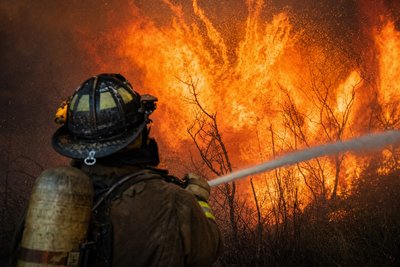
Wildfire
Defensible space, home-hardening materials, and how fire behaviour is changing at the wildland-urban interface.
Explore wildfire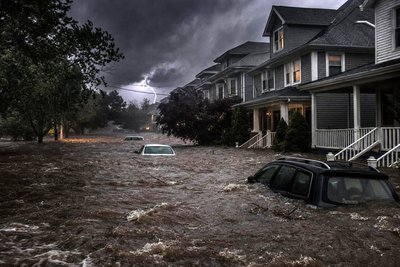
Flood & Water
Urban flood management, nature-based drainage, and the real math behind flood insurance premiums.
Explore flood & water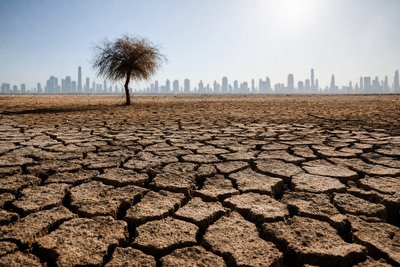
Extreme Heat
Urban heat islands, cooling infrastructure, and why cities are warming faster than the surrounding land.
Explore extreme heat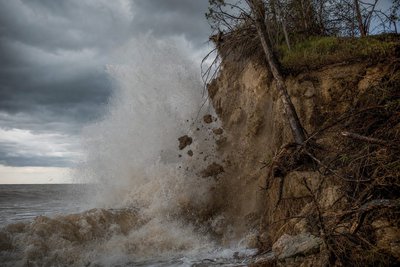
Coastal Resilience
Erosion, sea-level rise, and living-shoreline alternatives to hard sea walls.
Explore coastal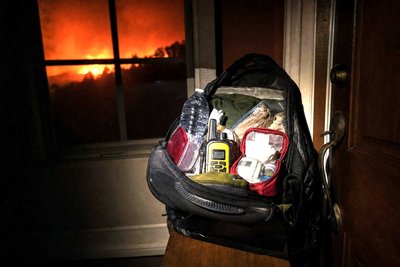
Household Preparedness
Go-bags, emergency kits and step-by-step plans for the household, not the disaster professional.
Explore preparedness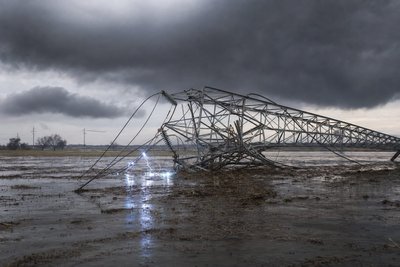
Policy & Infrastructure
How adaptation actually gets funded and built: from EU programmes to municipal grid hardening.
Explore policyLatest climate resilience guides
New, fully-researched explainers, with more added regularly. View all guides
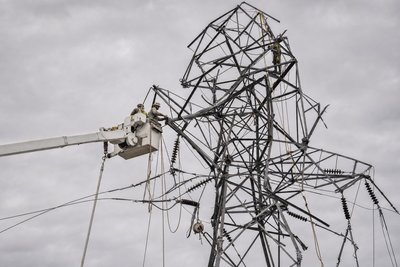
Power Grid Resilience: Why Outages Are Becoming More Common
Extreme weather, aging lines and rising demand are driving more frequent power outages. Here is what grid hardening, undergrounding and microgrids actually fix.
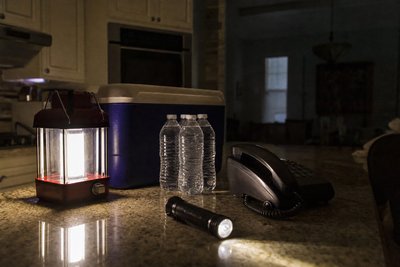
How to Prepare for a Power Outage: A Household Guide
What to stock, what to skip, and how to keep food and medication safe during an extended outage, from before it starts to the point you might need to leave.
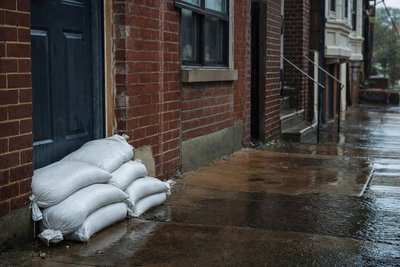
Renters Insurance & Flood Coverage: What's Actually Included
Renters insurance flood coverage isn't automatic. Here's what a standard policy covers on water damage, what it excludes, and how renters close the gap.
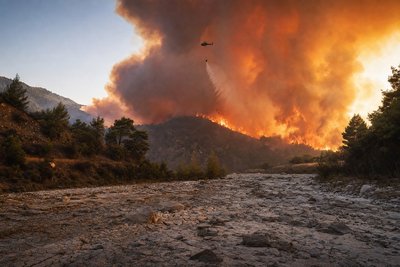
Spain Wildfires and Europe's Climate Disasters in 2026: Fires, Heat and a Historic Drought
Spain and France's worst wildfire seasons, a heatwave tied to thousands of deaths, and the Danube and Rhine at record lows: Europe's 2026 climate year, mapped.

The Go Bag Guide: What Every Household Needs for a Climate Emergency
A go bag checklist built around how evacuations actually happen — a room-by-room breakdown of what belongs in a 72-hour emergency bag.
Climate adaptation, explained without the jargon or the doom
Most climate coverage is either academic or alarmist. We sit in between: clear explanations of what's actually changing, grounded in the same research that originally studied European infrastructure resilience, now applied to households everywhere. Every EU-Circle climate resilience guide follows the same standard: explain the mechanism first, then the practical response, whether that's a household decision or one for a city planner.
Read our approachEvidence-based, not alarmist
Every claim traces back to climate science and engineering research, not headlines.
Practical over theoretical
Checklists, cost breakdowns and step-by-step guidance you can act on this week.
Independent
No product placements, no insurance-affiliate incentives shaping the advice.
Frequently Asked Questions
What is climate resilience, in plain terms?
+
The ability of a household, building, or city to withstand and recover from climate-driven hazards (wildfire, flooding, extreme heat, coastal erosion) without those hazards becoming a crisis. It covers both the physical preparation (defensible space, flood-proofing, cooling strategies) and the practical planning (insurance, evacuation, emergency kits) that reduce how much damage a hazard actually causes. In short: climate hazards explained, then turned into a plan.
Who writes the guides on EU-Circle?
+
The EU-Circle editorial team, working from climate science, engineering research, and official guidance for each hazard rather than from headlines. Every guide names its real sources, such as government agencies, research bodies, or documented programs, instead of vague references.
Is this advice specific to one country?
+
No. The underlying mechanisms, including how wildfires spread at the wildland-urban interface, why cities run hotter than the land around them, and how flood insurance is priced, generalize across most of Europe and beyond, though individual guides note when a specific program or regulation is regional.
How is EU-Circle different from a government hazard-warning site?
+
It isn't a replacement for one: always follow official evacuation orders and emergency alerts from local authorities. EU-Circle explains the reasoning behind the advice (why defensible space works, what actually drives an urban heat island) so the guidance makes sense rather than just being a checklist to follow.
New guides published regularly
We're building out the full topic library (wildfire, flood, heat, coastal and policy) over the coming months.